FittGrad
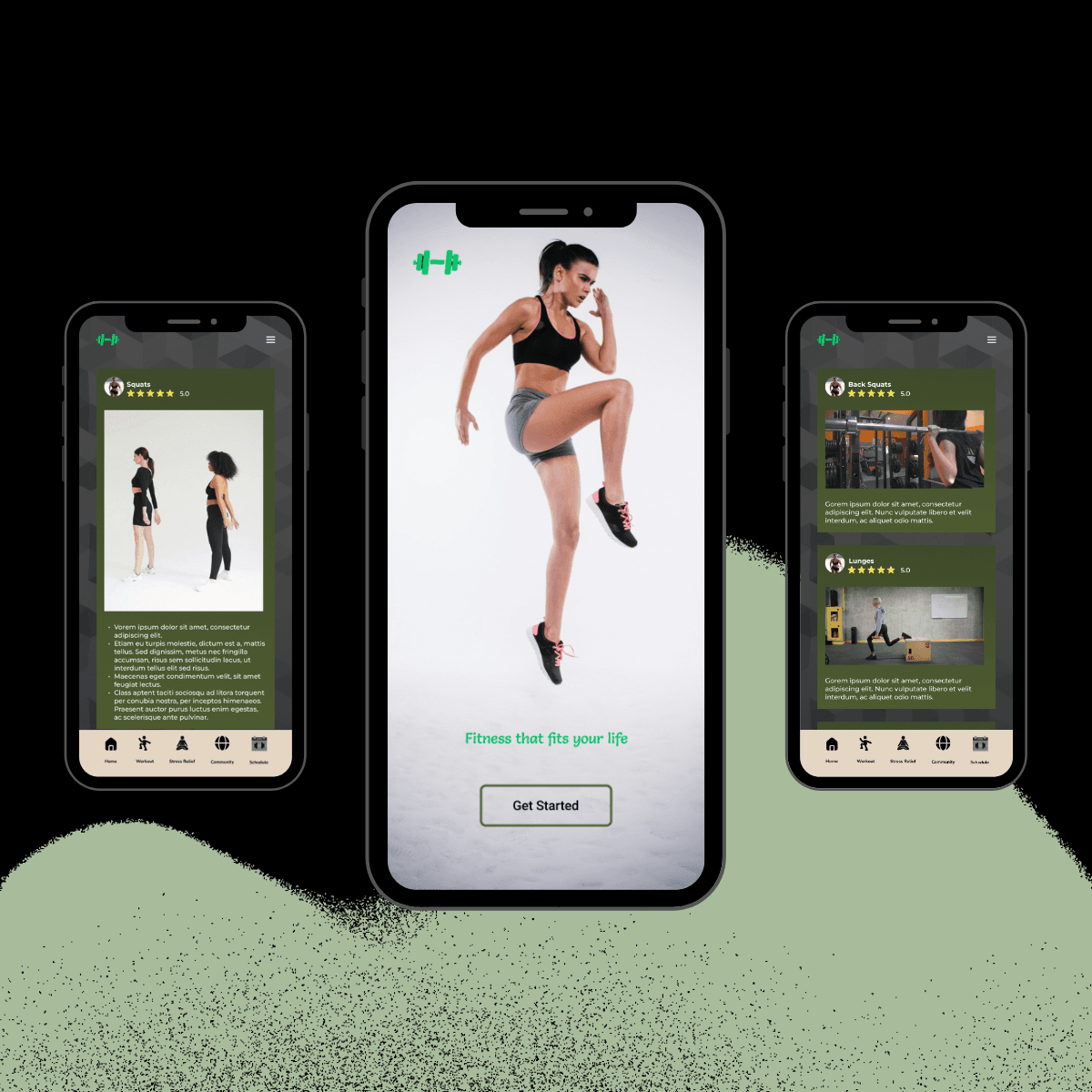
This app is designed to help graduate students stay active despite their demanding schedules. It provides personalized workout plans, progress tracking, and community engagement features, tailored to create a flexible, sustainable fitness routine.
UI & UX

Project Overview
Project Type: Personal Project
Industry: Fitness & Wellness Technology
Timeline: Oct 2024 - Dec 2024
My Role: UI/UX Designer, Researcher
Tools: Figma
Target Audience: Graduate Students

The Problem & User Insights
Graduate students face significant difficulty maintaining a consistent workout routine due to time scarcity and heavy academic demands. They need flexible, short-duration workouts and strong accountability features to sustain fitness amidst a stressful schedule.
Key Insights from User Interviews:
• Time & Scheduling: The biggest barrier is finding time for fitness, with many users preferring shorter, flexible workouts (10-30 minutes) to fit into brief gaps between studies or lab work.
• Motivation & Social Factor: Users desire features that enhance social connectivity, such as sharing achievements and joining challenges, as this significantly boosts motivation and retention.
• Tracking: Personalized progress tracking and visual dashboards are highly valued for goal monitoring and self-monitoring.
• Personalization: Users seek personalized plans tailored to their current fitness level, goals, and even daily energy/mood, as generic plans often lead to abandonment.

Design Solution: Flexible Fitness for Academic Life
FittGrad's design focuses on flexibility, personalization, and accountability, creating a flow that respects a graduate student's limited time and maximizes motivation through clear, easy-to-access features.
User Task | Design Solution | Impact/Validation |
|---|---|---|
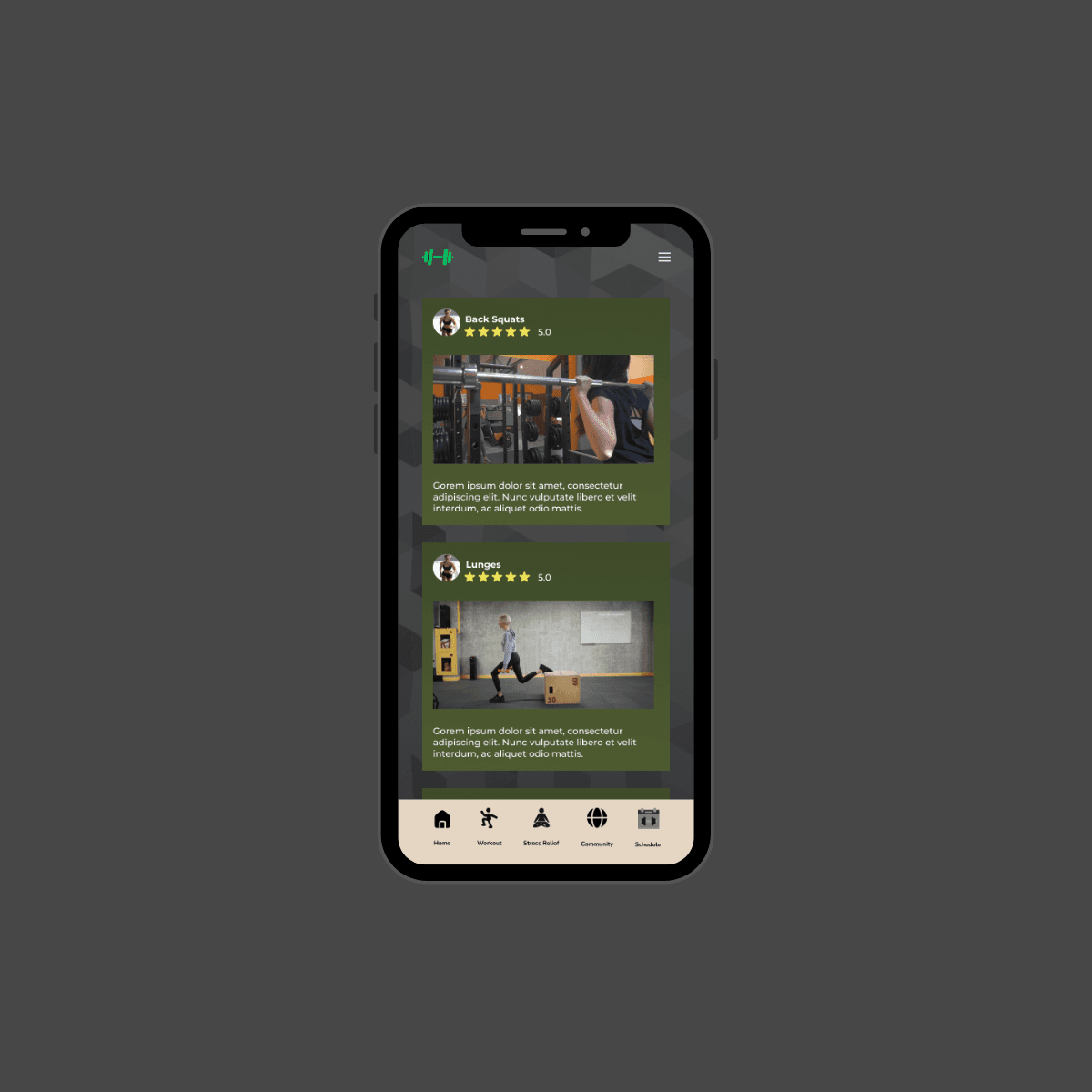
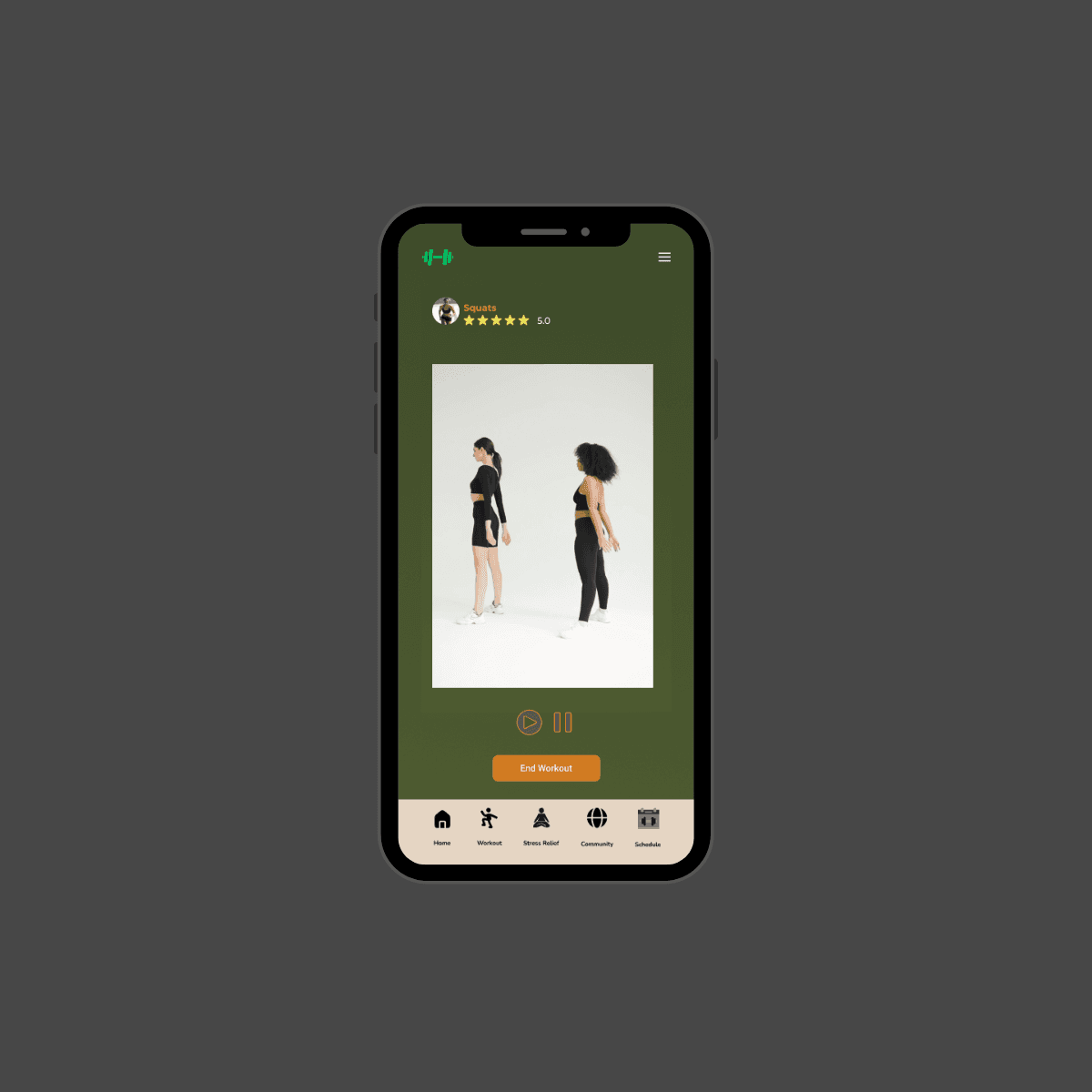
Need flexible workout times | Streamlined Home Screen and Workout Plans offering personalized, time-based (10-30 min) workout suggestions. | Reduced the friction of starting a workout, supporting the user need for time efficiency. |
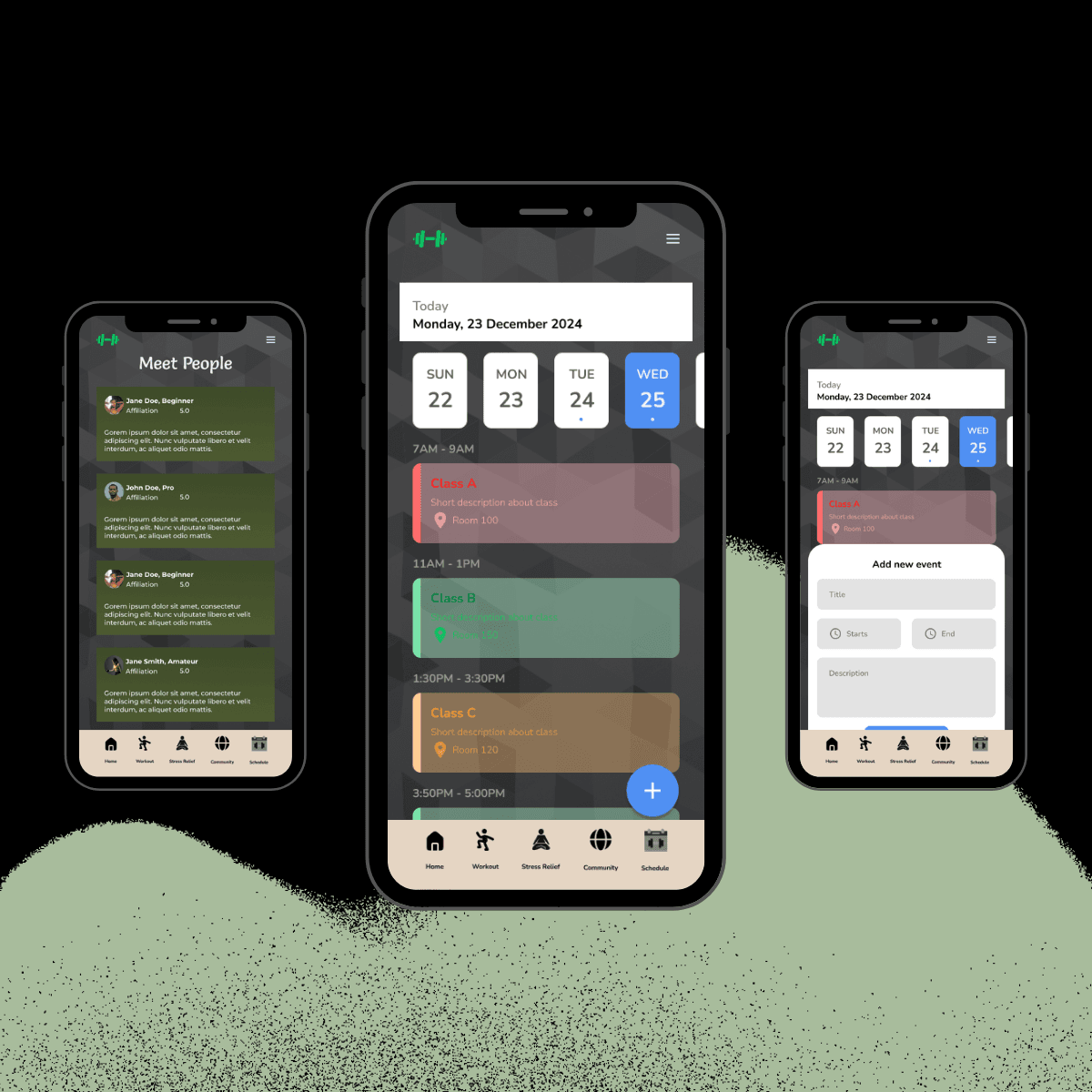
Need to commit to a routine | Integrated Schedule flow allowing users to 'Plan Workout,' 'Schedule Workout,' and receive 'Workout Reminders'. | Directly addresses the core problem of time scarcity by making fitness commitments visible and non-disruptive. |
Need motivation & accountability | Dedicated Community Challenges and Find Workout Partners screens to enhance social connectivity and boost retention. | Provides the desired social connectivity and accountability to boost motivation. |
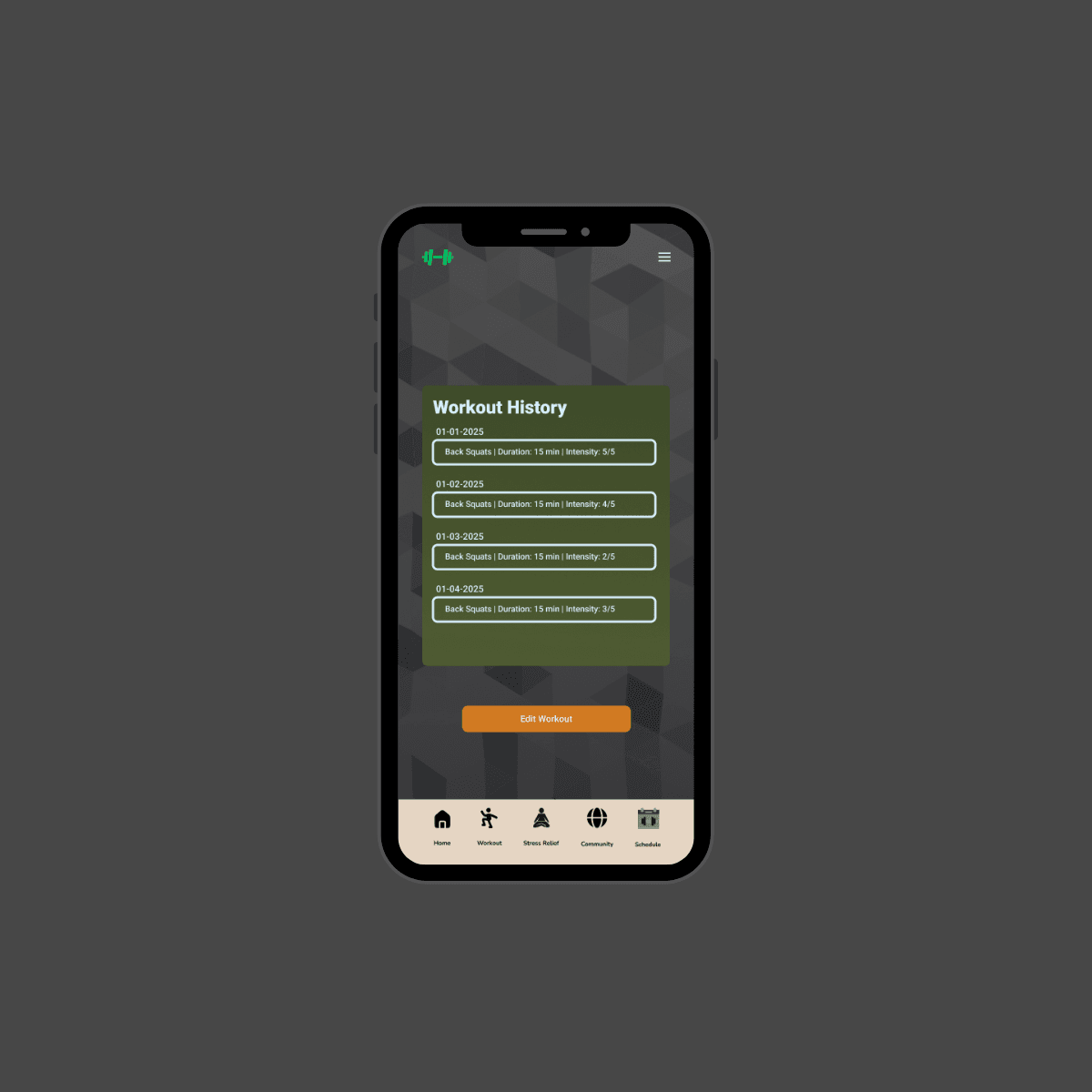
Need to track progress | Clear Track Progress - Goals and Workout History dashboards to visualize streaks, achievements, and goal progress. | Supports the user need for progress tracking and self-monitoring. |


Usability Testing & Impact
Methodology: Moderated usability tests were conducted with 10 graduate students across core tasks: Onboarding & Personalization, Scheduling a Workout, Progress Tracking, and Joining a Community Challenge.
Key Design Insights: Refinements were made after initial testing showed friction in Scheduling a Workout and complexity in Dashboard Clarity, leading to a simpler calendar synchronization and minimalistic data visualization.
Outcome: Testing ensured features directly addressed the time constraints and motivational needs of graduate students. The refinements resulted in a smoother, more intuitive user flow for quickly finding and committing to a flexible fitness routine.
Key Takeaways & Reflection
Design for Micro-Moments: The core lesson was that for a graduate student audience, fitness must be designed in short, flexible, and integrated bursts.
Motivation is Social & Visual: Visual progress tracking and community features are powerful motivators for consistency.
Seamless Integration is Key: The greatest friction point was scheduling. The solution was making workouts one-click schedulable into a demanding academic calendar.
AI as an Accelerator: Utilizing AI tools sped up the initial wireframing and research analysis phases, allowing more time to focus on crucial user flows and high-fidelity design.